Types of cameras
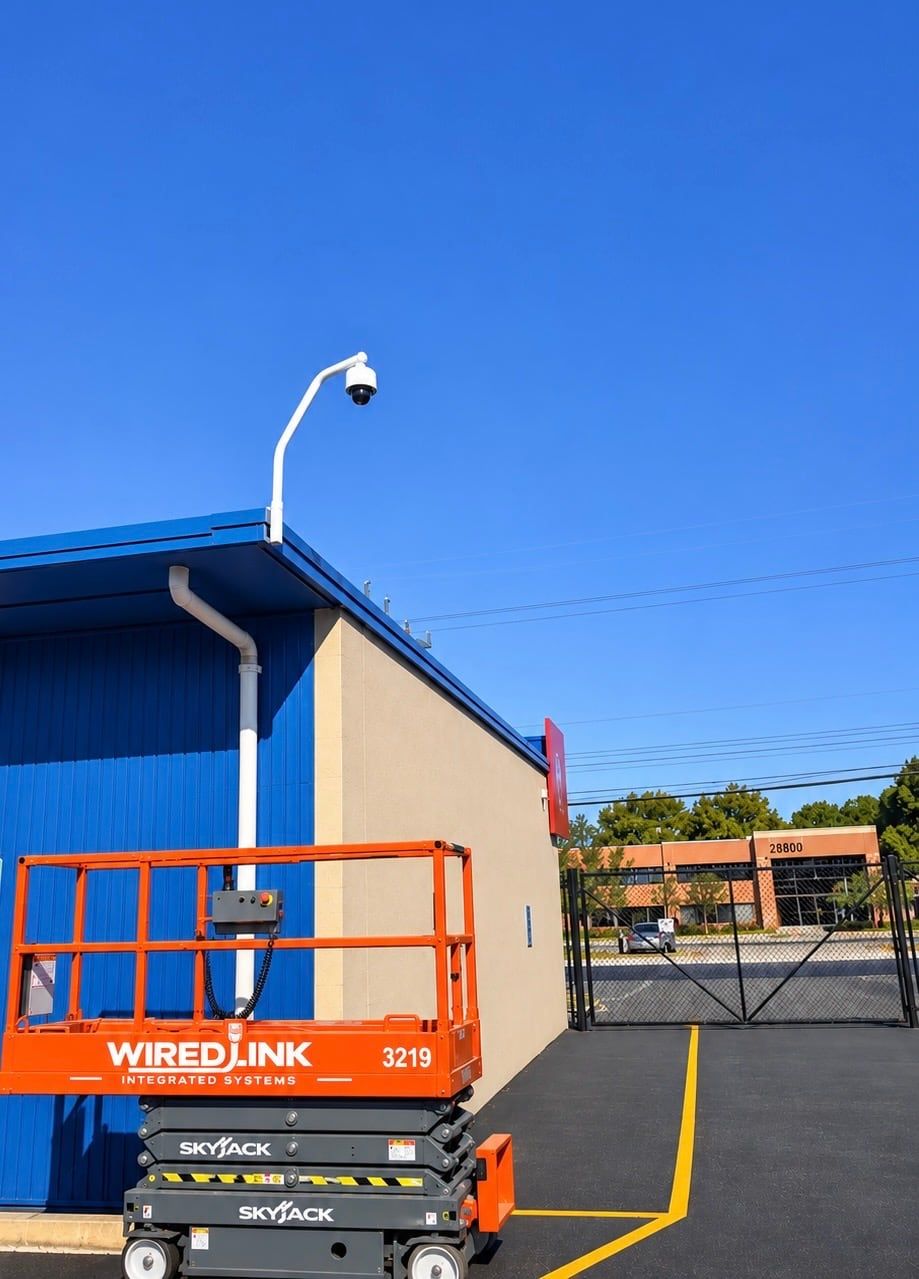
Cameras come in a few shapes, and the shape decides where each one works best. Bullet cameras are long and easy to spot. They reach far, which makes them good for driveways and long yards, and people can see they’re on camera. Turret cameras are ball-shaped with no cover over the lens, so there’s no glare at night. They work well under eaves and over doors. Dome cameras keep the lens behind a clear cover, which makes them hard to knock out of place, so they go on porch ceilings and anywhere people can reach.
A video doorbell is a camera, speaker, and mic at the front door, so you can see and talk to whoever is there from your phone. It runs on your doorbell wiring, so it never needs charging. Most homes end up with a mix of all of these.
Wired or wireless
Battery and Wi-Fi cameras are easy to buy, but they work very differently. They wake up when they sense motion and save short clips, so they can miss the start of what happened. They need charging, drop out when the Wi-Fi is weak, and usually need a paid cloud plan to save video.
A wired camera gets power and video through one cable. It records around the clock, keeps recording when the internet goes down, and never needs charging. That’s why we install wired cameras, and only use a battery camera where no cable can reach.
Picture quality
Picture quality decides how much you can actually make out when you need it: a face at the door, the color of a car, a plate at the end of the driveway. More detail lets you zoom in further before the picture breaks up, but a sharper camera also needs more light at night and more room on the recorder. So we don’t put the same camera everywhere. We pick each one for its spot, based on what it needs to catch and how far away it is.
Night video: infrared or color
A lot of what you’ll want to see happens after dark. Most cameras use built-in infrared lights to see in total darkness. The picture is black and white, but sharp. Color night cameras use a more sensitive sensor, sometimes with a small built-in light, to keep the picture in color, but they need some light nearby, like a porch or street light. Color helps you describe a car or a jacket, while infrared sees where there’s no light at all. Many cameras can switch between the two.
Where the video is saved
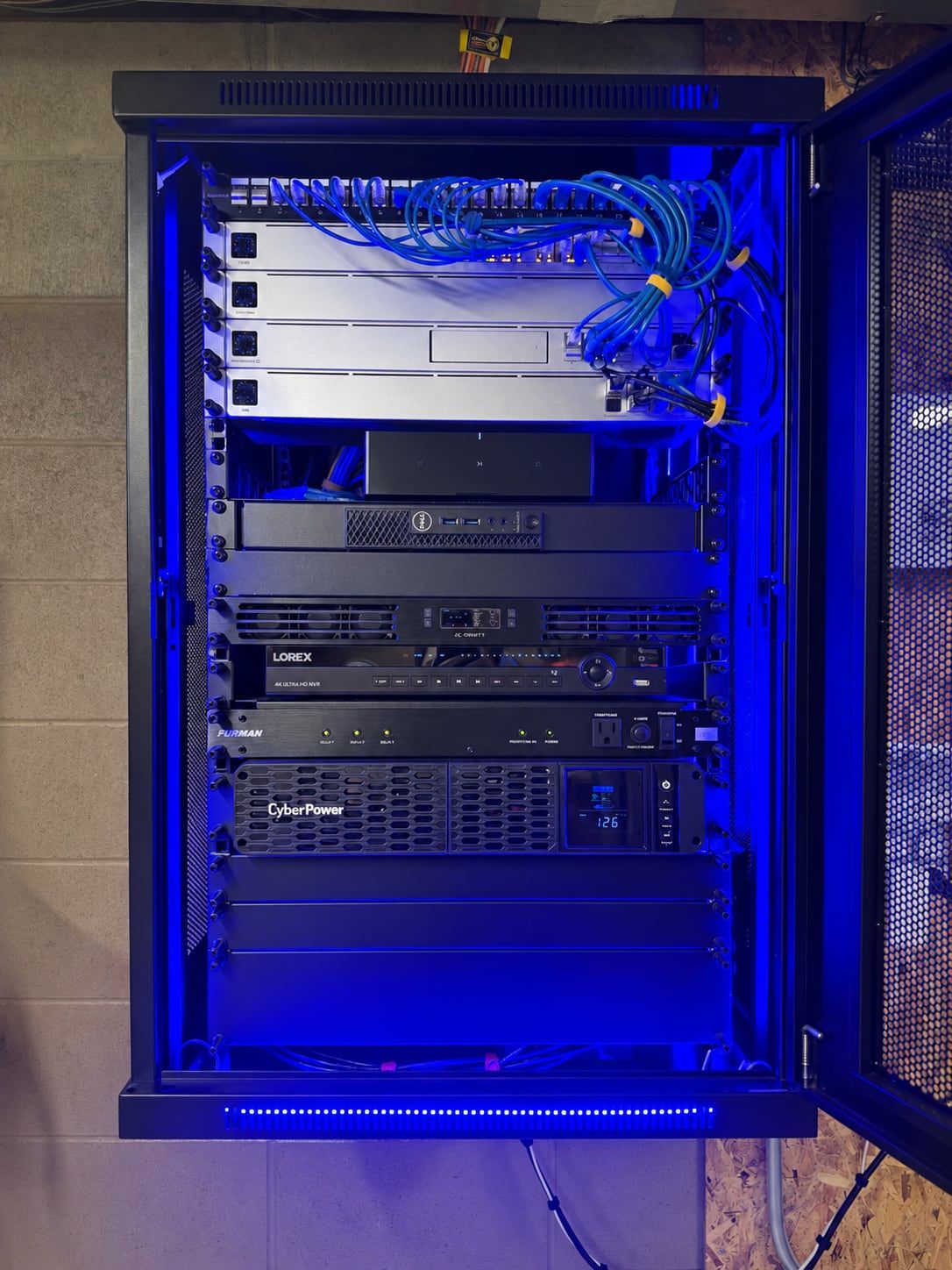
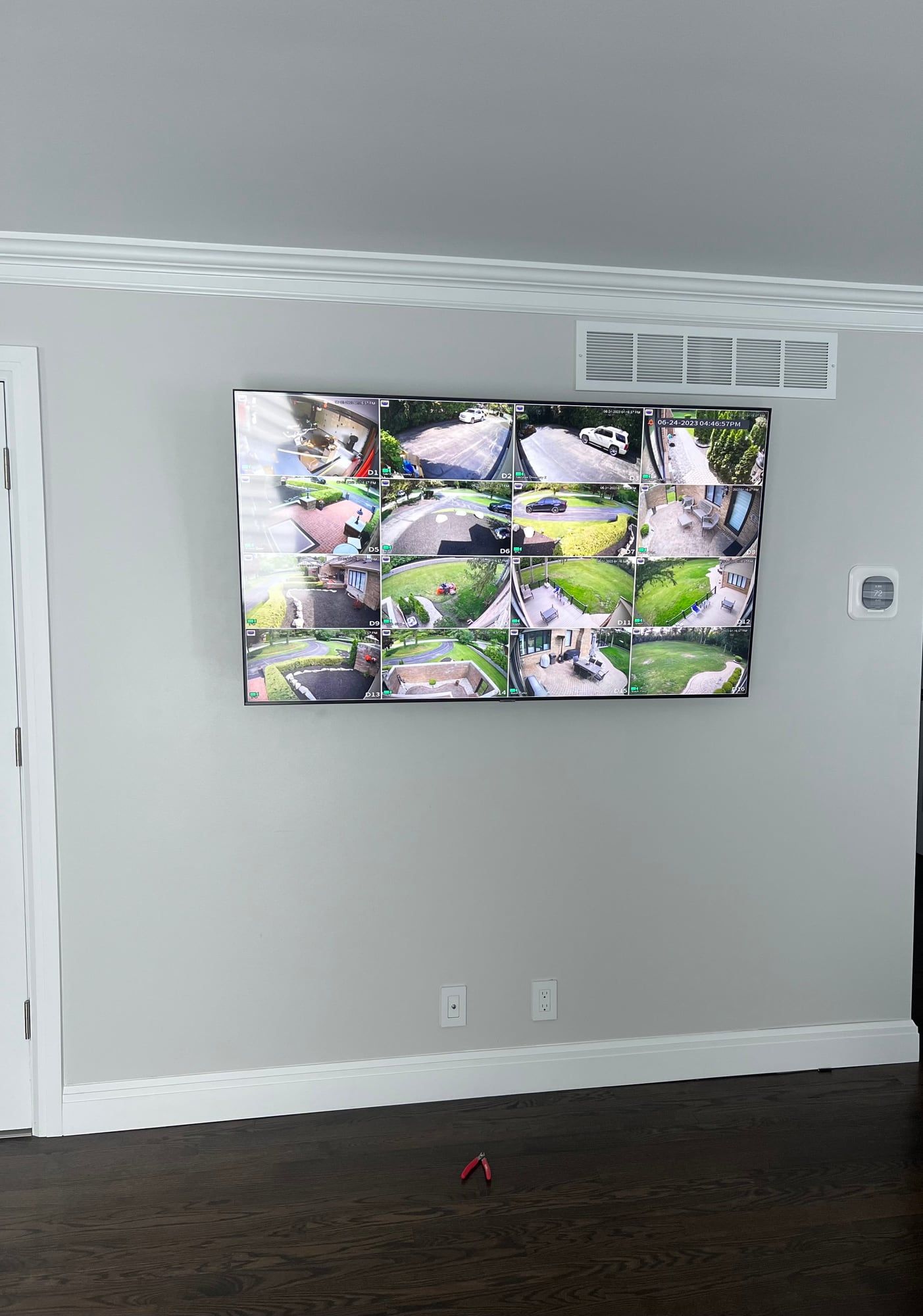
Your cameras record to the recorder inside your home. It saves every camera around the clock, as many days back as its drive holds, with no monthly fee, and it keeps recording when the internet is down. You can still watch everything from anywhere in the app. Cloud plans work differently: the camera company saves clips online for a monthly fee, and when the internet goes down, nothing gets saved.
Alerts that matter
Basic motion alerts go off for every car, shadow, and branch that moves, and most people end up turning them off. Newer cameras can tell a person or a car from everything else, and you can draw the area you care about, like the porch or the driveway, and ignore the street. We set these up with you so your phone only buzzes when it should.
Replacing an old system
Camera systems wear out in a few ways. Older cameras record much less detail than today’s, so a face that looks fine on the live view turns into a blur when you zoom in on the recording. Recorders fill up and their hard drives wear out, and the phone app for an older system can stop getting updates or stop opening at all.
New cameras usually can’t be added to an old recorder, because the cameras and the recorder have to be made to work together. Signs it’s time: video you can’t make out, cameras that have gone dark, footage that’s missing when you need it, or an app that won’t connect. At that point we take the old system down and put in a new one.